What is Bokeh? A beginners guide, with examples
Imagine standing in a bustling city at night. The air hums with energy, and neon lights shimmer in a dance of colour. You raise your camera onto a friend's face and suddenly, the chaos behind them melts into a soft blur of light, glowing like tiny lanterns. That dreamy background? That's bokeh.
But, what is bokeh, really? In its simplest form, bokeh (pronounced boh-kay or boh-kuh) refers to the aesthetic quality of the blur in the "out-of-focus" sections of a photograph. It's not just blur though, it's the character as well. Whether creamy and smooth, or crisp and geometric, bokeh shapes the emotional tone of an image, guiding the viewer's eye and infusing depth in the moment.
The beauty behind the blur
Bokeh comes alive when your subject is sharply focused against a background, rich in light, texture or contrast. The interplay of aperture and lens design is what makes those glowing orbs or silky gradients appear. When you shoot with a wide aperture; say f1.8 or f2.8, the shallow depth of field causes backgrounds to dissolve into a gentle haze. Yet bokeh isn't just a technical artifact. It's storytelling through softness, it's how photographers whisper emotion into an image without saying a word. A portrait lit by fairy lights becomes intimate, a macro shot of a dewdrop feels enchanted. In each case, the bokeh doesn't steal the spotlight, it creates it.
Technically speaking, bokeh is shaped by the design of a lens' aperture blades. Rounder blades produce smoother bokeh, while polygonal ones create more structured light shapes. That's why lenses praised for their 'beautiful bokeh' often feature rounded apertures and premium glass coatings.
But numbers and mechanics only tell part of the story. Great bokeh photography lives in the balance between precision and emotion, it's about understanding your tools, then letting intuition guide you. Soft backgrounds are powerful because they focus attention, they evoke feeling. They remind us that clarity isn't always about seeing everything, sometimes, it's about seeing what matters most.
Bokeh photography tips for beginners
To embrace the magic of bokeh, start by experimenting with light. Distant streetlights, festive string lights or even the glint of sunlight through the trees can become beautiful bokeh sources. Use a lens with a wide aperture and place your subject closer to the camera while keeping the background further away. The greater the distance, the more the pronounced the effect will be.
Don't worry if you're using a smartphone, most modern phones with a portrait mode, will simulate bokeh surprisingly well. The key is composition and creativity. Frame your subject thoughtfully and play with the perspective, look for light sources that sparkle when blurred. Bokeh thrives in contrast and glow, in the soft hum of ambiance that surrounds a subject.
Examples of bokeh in action
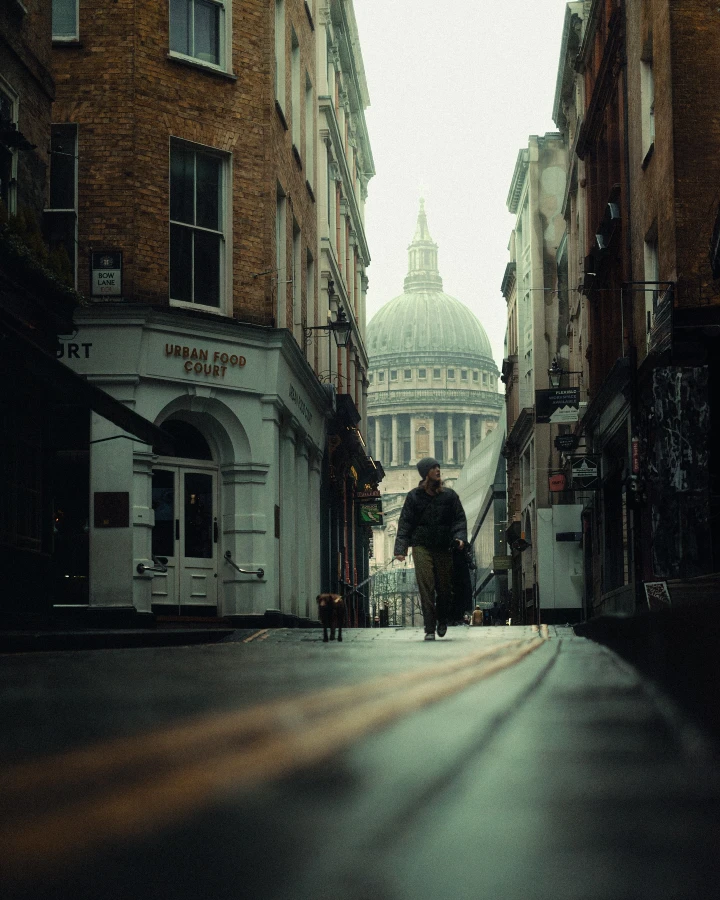
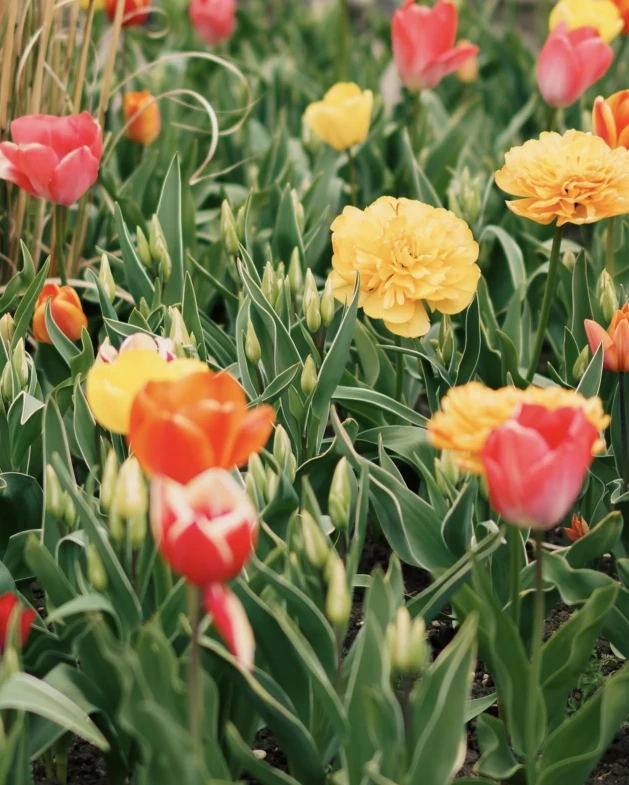
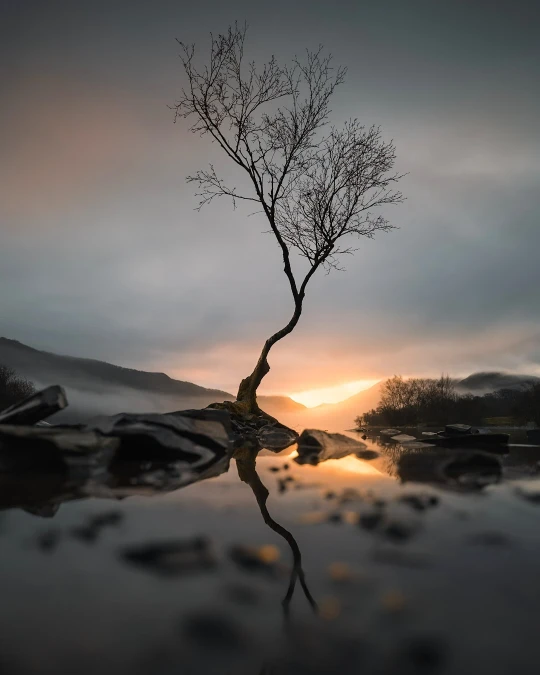
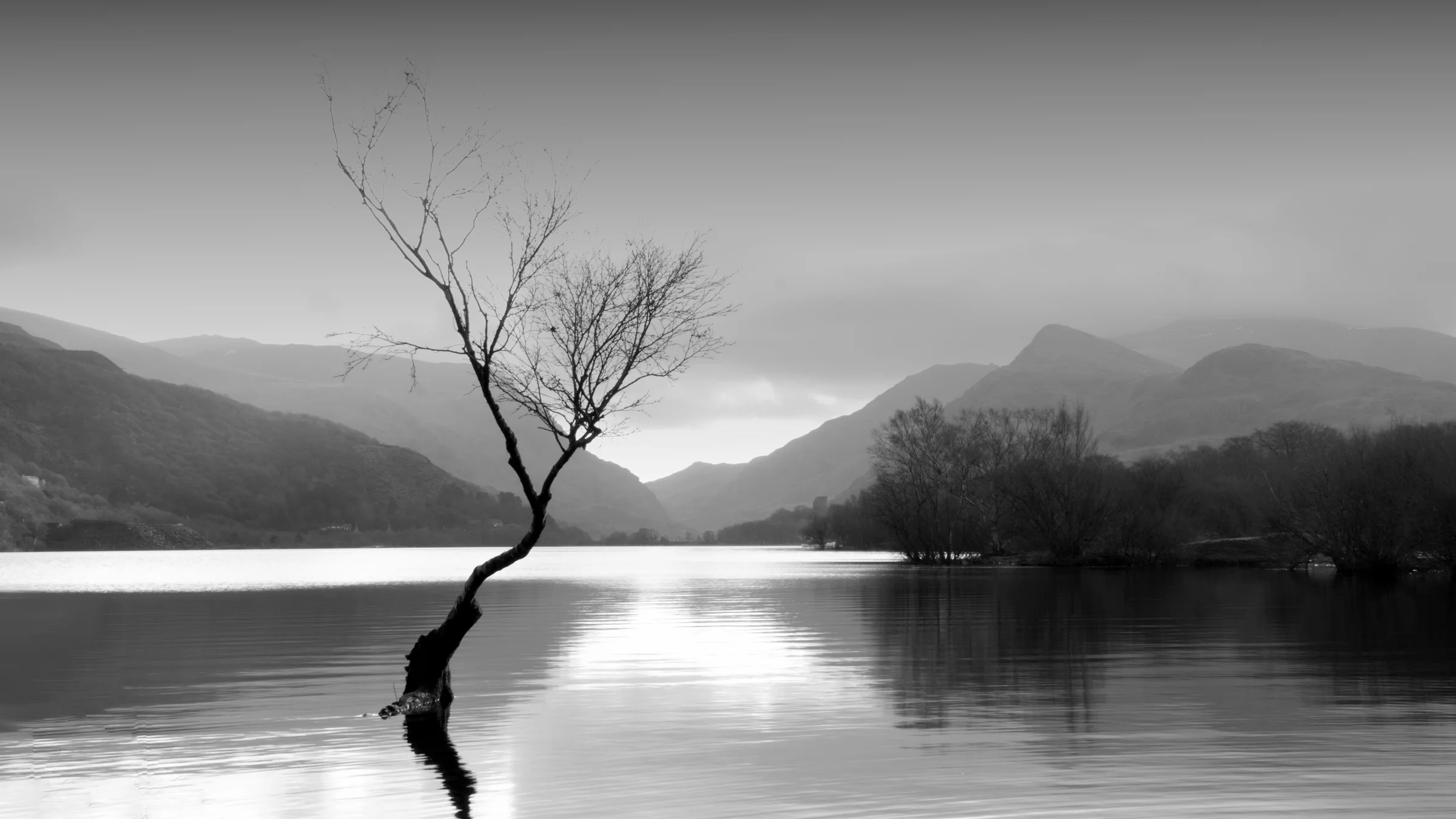
Think of a portrait bathed in gentle morning light, where the background melts into warm pastel hues, or a nighttime street scene where raindrops catch reflections, turning into glimmering bokeh jewels.

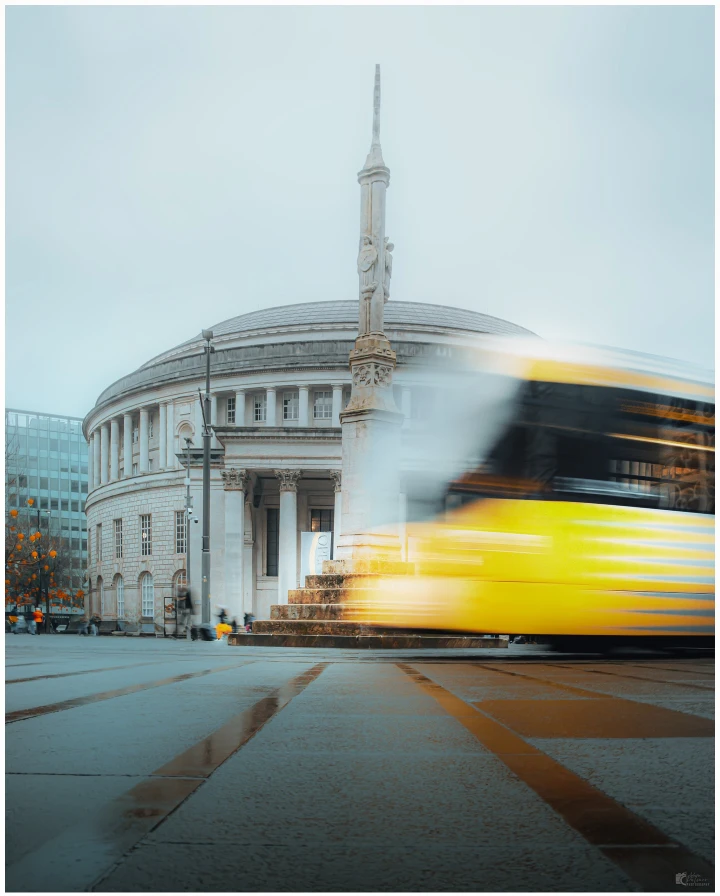
Photograph taken by ©Abel Lares

Photograph taken by ©Andy Light

Photograph taken by ©Lucy Ketchum

Photograph taken by ©Irina Reichert/
In each image, the story is not in the background itself, but in how it fades; gracefully, purposefully into feeling.
Why bokeh matters
Photography is often about clarity, but bokeh teaches us the beauty of blur. It reminds us that focus is both a technical and emotional choice. By mastering the subtle dance between sharpness and softness, photographers can invite viewers into a world where imagination fills the spaces.
So the next time you raise your camera and what is bokeh, remember: it's not just background blur, it's atmosphere, it's poetry written in light. And with a few thoughtful bokeh photography tips, you can turn any ordinary scene into something quietly extraordinary, a moment that glows, even in the blur.